
Get a summary of this article with your favorite AI:
Disclaimer: This article is for informational purposes only and does not constitute legal, financial, or investment advice. Verify all information independently before making investment decisions. Follow applicable federal, state, and local laws, including Do Not Call (DNC), consent, and telemarketing regulations, when contacting property owners.
It's tempting to start calling every number or sending postcards to every address on a lead list you just pulled. But a long list of property owners doesn't necessarily translate into a strong pipeline of investment opportunities.
Whether you're launching your first prospecting campaign or refining an existing process, this step-by-step guide walks you through how to turn a real estate lead list into meaningful conversations and potential deals.
| Quick Answer: After pulling a real estate lead list, refine your leads based on your investment strategy, research promising properties, and use skip tracing to find owner contact information. Then start personalized outreach, track conversations, and follow up consistently to turn potential leads into opportunities. |
Key Takeaways
- Align your lead list with your investment strategy. Use property filters and list stacking to narrow your search, then evaluate individual properties for investment potential.
- Turn property information into actionable leads. Research promising properties, use skip tracing to find owner contact information, and organize prospects for outreach.
- Make every interaction count. Use BatchLeads' built-in outreach and lead management tools to connect with potential sellers, track conversations, and plan timely follow-ups.
Why Pulling a Real Estate Lead List Is Only the First Step
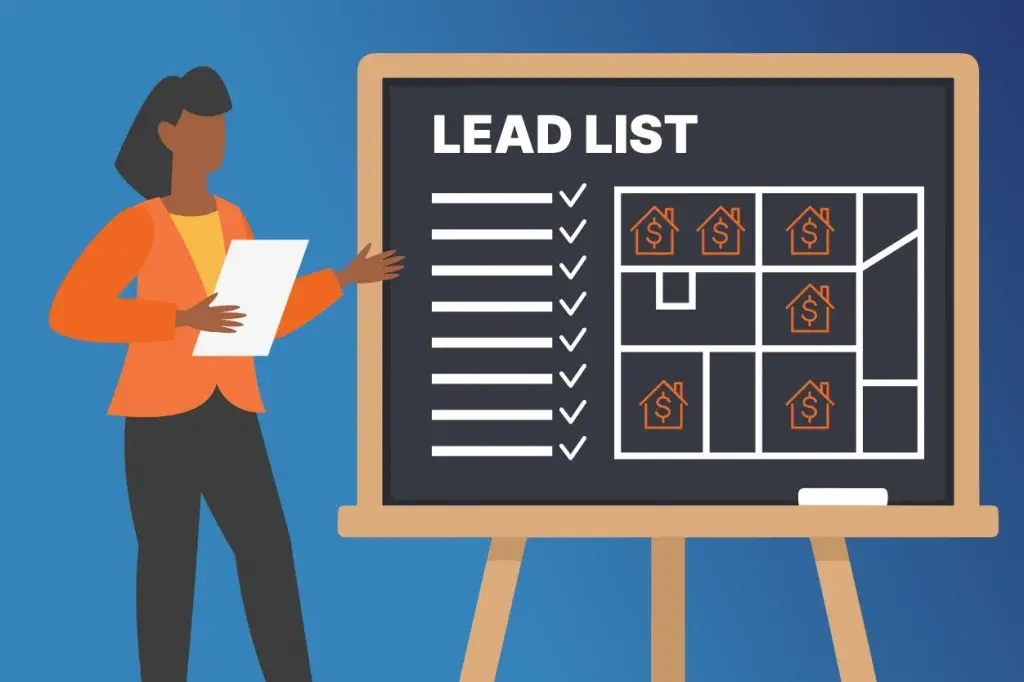
A real estate lead list helps you identify potential opportunities based on criteria like absentee ownership, vacancy, tax delinquency, or high equity. However, not every lead is a motivated seller or a viable investment opportunity.
For example, if you pull 500 absentee-owner properties, some owners may have no intention of selling, while others may not fit your investment criteria.
That's why effective real estate lead generation goes beyond building lists. You need to research properties, identify promising leads, find contact information, and develop a clear outreach strategy before taking action.
Let's look at what to do next.
Step 1: Review and Refine Your Real Estate Lead List
Start by reviewing your lead list against your investment strategy. Are you looking for distressed properties to fix and flip, rental properties to buy and hold, or motivated sellers for wholesaling?
Each strategy calls for different property characteristics and seller circumstances.
Here are some common criteria to consider:
- Wholesaling: Potentially motivated sellers, such as absentee owners, owners of vacant properties, tax-delinquent owners, or owners facing pre-foreclosure.
- Fix & Flip: Properties needing repairs, older homes, distressed properties, and opportunities with sufficient potential resale value after renovations.
- Buy & Hold: Properties in areas with rental demand, reasonable purchase prices, potential positive cash flow, and manageable maintenance costs.
- BRRRR: Undervalued properties with renovation potential, sufficient equity upside, and rental income potential to support refinancing.
- Land Investing: Vacant lots, absentee-owned land, long-term ownership, and parcels with suitable zoning, access, and development potential.
Once you've identified the criteria that fit your strategy, refine your list using relevant property and ownership filters.
You can narrow your results further through list stacking, which combines multiple property and ownership criteria to identify more promising opportunities.
Here are a few practical combinations for real estate investors:
| List-stacking filters | Why it's useful |
| Vacant + Absentee Owner + High Equity | Find unused properties whose owners may have ongoing carrying costs and equity to support a sale. |
| Tax Delinquent + Absentee Owner | Identify nonresident owners with overdue property taxes who may be open to discussing a sale. |
| Pre-Foreclosure + High Equity | Find owners facing foreclosure who may have sufficient equity to explore selling before an auction. |
| Inherited + Vacant | Identify inherited properties that may no longer be needed or occupied. |
| High Equity + Long-Term Ownership | Find longtime owners who may have accumulated substantial equity and could be considering selling. |
Note: The list stacking combinations listed are possible opportunities, not guaranteed fits. Whether a property is suitable for wholesaling, fix and flip, or buy and hold depends on a variety of factors, including purchase price, condition, rental potential, and local market conditions. Stacking lists is just a way to identify properties worth following up on.
Step 2: Research Individual Properties Before Reaching Out

Now that you've narrowed your lead list based on your investment strategy, it's time to evaluate individual properties more closely.
For example, let's say you're a fix-and-flip investor who has shortlisted 50 vacant properties with high equity.
One property catches your attention because it's been vacant for some time and appears to need repairs. However, after reviewing comparable sales, estimating renovation costs, and calculating your potential profit, you realize the numbers don't work at the likely purchase price.
Another property on your list may have similar characteristics but require fewer repairs and offer a better potential return.
That's why property-level research matters. It helps you move beyond initial search criteria and identify which opportunities are financially worth pursuing.
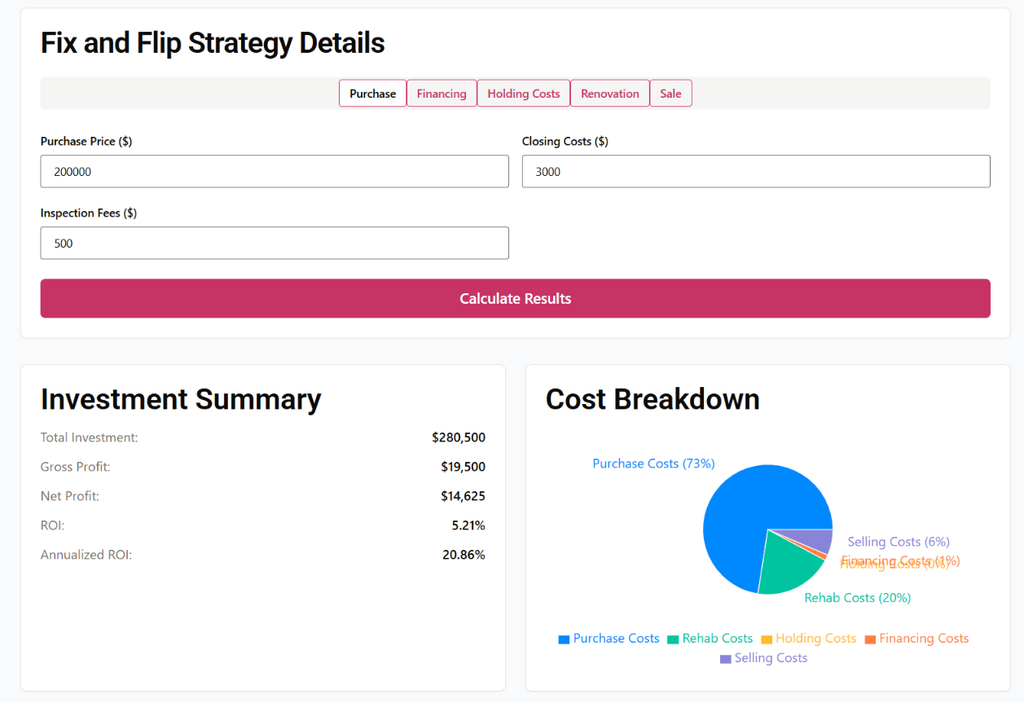
Pro Tip: Use the free BatchLeads Fix and Flip Calculator to estimate a property's potential profitability. Enter your purchase price, renovation expenses, after-repair value (ARV), and holding and selling costs to calculate estimated profit, ROI, and total project costs.
Once you've evaluated the numbers, move promising properties to your master lead list for further action. Keep properties that don't currently meet your criteria on a separate watchlist to revisit if market conditions, property values, or seller circumstances change.
Step 3: Find and Verify Property Owner Contact Information
Once you've identified promising properties, the next step is finding a way to reach their owners. This is where skip tracing comes in. Skip tracing helps real estate investors locate contact information associated with property owners, making it easier to connect with potential sellers.
With BatchLeads, you can skip trace property owners directly from your lead lists to find available phone numbers and email addresses without switching between multiple tools.
Remember, skip tracing helps you find contact information, but it doesn't guarantee accuracy or permission to contact someone. BatchLeads displays Do Not Call (DNC) labels on flagged phone numbers, helping you identify contacts that may require additional compliance checks. Always review applicable federal and state DNC regulations, consent requirements, and other telemarketing rules before starting your outreach.
Step 4: Start Reaching Out to Potential Sellers
Cold calling is one way to start conversations with potential sellers. Instead of calling every number on your list, begin with your most promising leads and use your property research to make each conversation more relevant.
With BatchLeads' Click-to-Dial feature, you can call property owners using the built-in softphone while keeping their property details handy. Having access to ownership information, property characteristics, and available financial data gives you valuable context to ask relevant questions and discuss potential selling opportunities.
You can also take notes, update lead statuses, and label phone numbers as Verified, Wrong Number, or DNC, helping you keep your prospecting records organized for future follow-ups.
Don't Limit Your Outreach to Cold Calling
Explore other outreach channels to reach potential sellers, such as direct mail, email, or text messaging, where permitted.
With BatchLeads' built-in Direct Mail feature, you can create and send personalized postcards and letters to property owners directly from your saved lead lists.
Whichever channel you choose, focus on relevant, personalized outreach rather than contacting as many owners as possible. Always respect contact preferences and follow applicable marketing and outreach regulations.
Tips for More Effective Real Estate Outreach
Here are a few practical tips to help you make your outreach more effective and turn potential leads into meaningful conversations.
- Segment Your Leads: Group property owners based on relevant criteria, such as absentee ownership, vacancy, or high equity. This helps you tailor your outreach to different audiences instead of using the same message for everyone.
- Personalize Your Messaging: Reference the property address and explain why you're interested in purchasing it. Avoid generic sales pitches or making assumptions about the owner's circumstances.
- Start With Smaller Campaigns: Test your messaging with a smaller group of leads before expanding your outreach. This helps you identify what resonates with potential sellers.
- Use Multiple Outreach Channels: Combine cold calling, direct mail, and other permitted methods to connect with owners through different channels while respecting their communication preferences.
- Track Campaign Performance: Monitor response rates, meaningful conversations, and interested sellers to understand which lead lists, messages, and outreach methods perform best.
- Stay Consistent With Follow-Ups: Not every owner is ready to sell immediately. Plan appropriate follow-ups based on their interest and timeline, and honor opt-out requests.
The key is to learn from each campaign and use those insights to improve your approach, so your outreach becomes more focused and effective over time.
Step 5: Track Conversations and Plan Your Follow-Ups
Not every seller is ready to make a deal after the first conversation. Some may need weeks or even months before they're ready to sell. How well you track these conversations and follow up at the right time can make the difference between losing a lead and closing a deal.
After each interaction, make sure to:
- Record Conversation Details: Note the owner's asking price, selling timeline, property condition, and any concerns they mention.
- Update Lead Statuses: Categorize contacts as interested, follow-up needed, not interested, or do not contact.
- Set Follow-Up Reminders: Plan your next interaction based on the owner's availability and willingness to continue the conversation.
- Review Previous Interactions: Refer to earlier conversations before reaching out again to avoid repeating questions or overlooking important details.
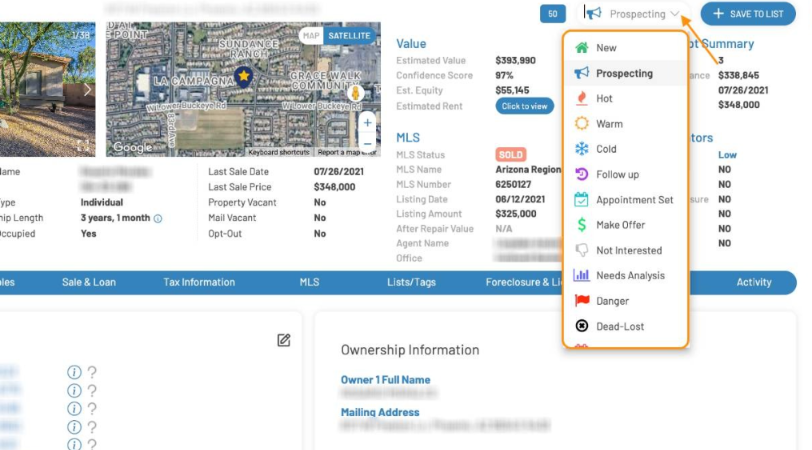
BatchLeads brings together your property details, contact information, conversation notes, and outreach utilities in one place. That makes it easier to track interactions, pick up where you left off, and follow up with potential sellers without having to switch between multiple tools.
Pro Tip: Let the seller's timeline guide your follow-ups. Someone planning to sell in 30 days may require a different approach than an owner considering a sale next year. Always respect communication preferences and opt-out requests.
Turn Your Real Estate Leads Into Opportunities With BatchLeads
Pulling a lead list is just the beginning. What matters is how effectively you turn that data into conversations and potential deals.
With BatchLeads, you can find and evaluate investment opportunities, access property and ownership data, manage lead lists, and engage directly with property owners, all in one platform. Take advantage of BatchRank AI to identify properties most likely to sell, Reia AI (AI Chat Assistant) to analyze deals and calculate offers, and Dialer AI for real-time conversation guidance during outreach.
Spend less time juggling tools and more time finding opportunities, connecting with sellers, and growing your investment business.
Ready to put your real estate leads to work? Start your 7-day free trial and explore what BatchLeads can do for your prospecting workflow.
FAQs
What Should I Do After Pulling a Real Estate Lead List?
Start by refining your list based on your investment strategy. Research individual properties, evaluate their financial potential, find owner contact information through skip tracing, and organize your leads before beginning outreach.
How Do I Know Which Real Estate Leads Are Worth Pursuing?
Look for properties that align with your investment goals, budget, and desired returns. Evaluate factors like estimated equity, property condition, comparable sales, renovation costs, and potential profitability before deciding which leads deserve further attention.
What Is List Stacking in Real Estate Lead Generation?
List stacking involves combining multiple property or ownership criteria to identify potentially motivated sellers. For example, investors might combine vacant properties, absentee ownership, and high equity to narrow their search and find opportunities worth researching.
How Can I Find Contact Information for Motivated Seller Leads?
You can use skip tracing tools like BatchLeads to find available phone numbers and email addresses associated with property owners. Always verify contact information and review applicable Do Not Call (DNC) and outreach regulations before contacting potential sellers.
What Is the Best Way to Contact Real Estate Leads?
Cold calling and direct mail are common methods for reaching potential sellers. The best approach depends on your lead type, available contact information, and outreach strategy. BatchLeads offers Click-to-Dial and Direct Mail tools to help investors connect with property owners.
How Can BatchLeads Improve Real Estate Investor Lead Generation?
BatchLeads combines property search, 140+ filters, skip tracing, list management, and outreach tools in one platform. AI Features like BatchRank AI, Reia AI, and Dialer AI can also help investors prioritize opportunities, analyze deals, and improve seller conversations.
Start your 7-day free trial to explore and streamline your real estate lead generation process.